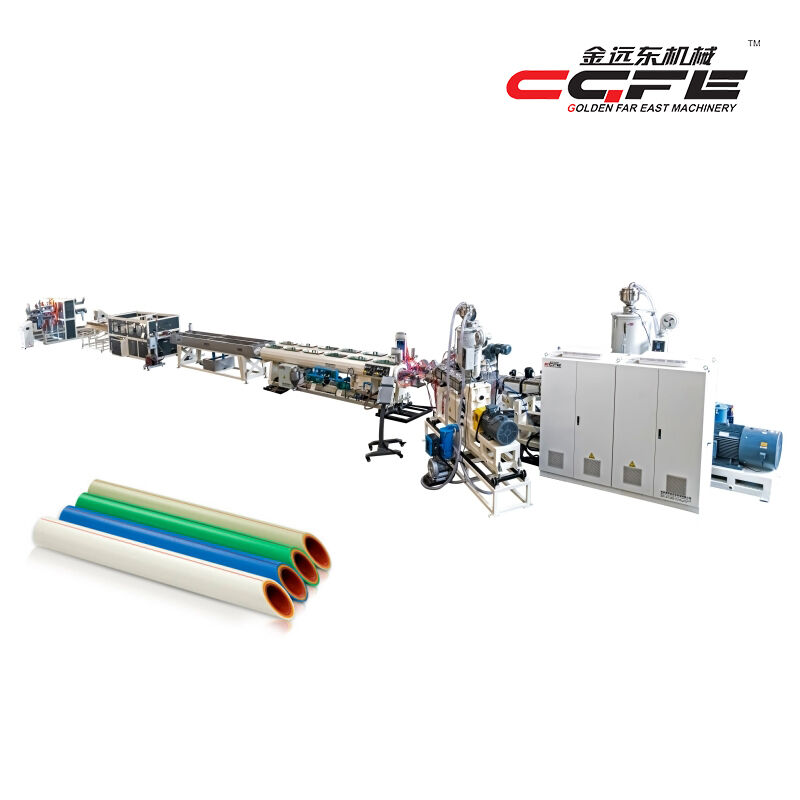
ppr pipe line
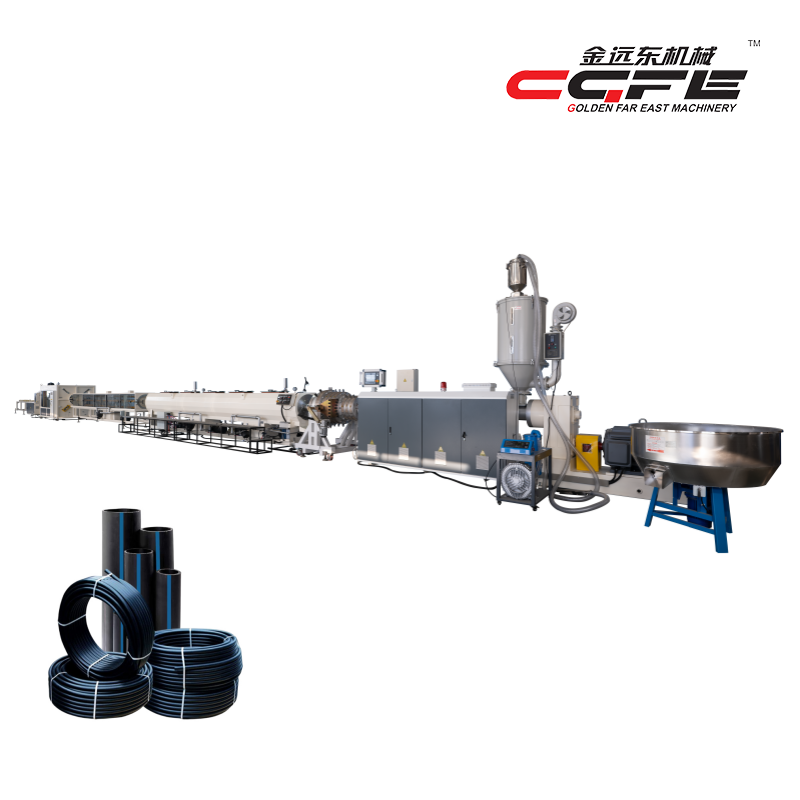
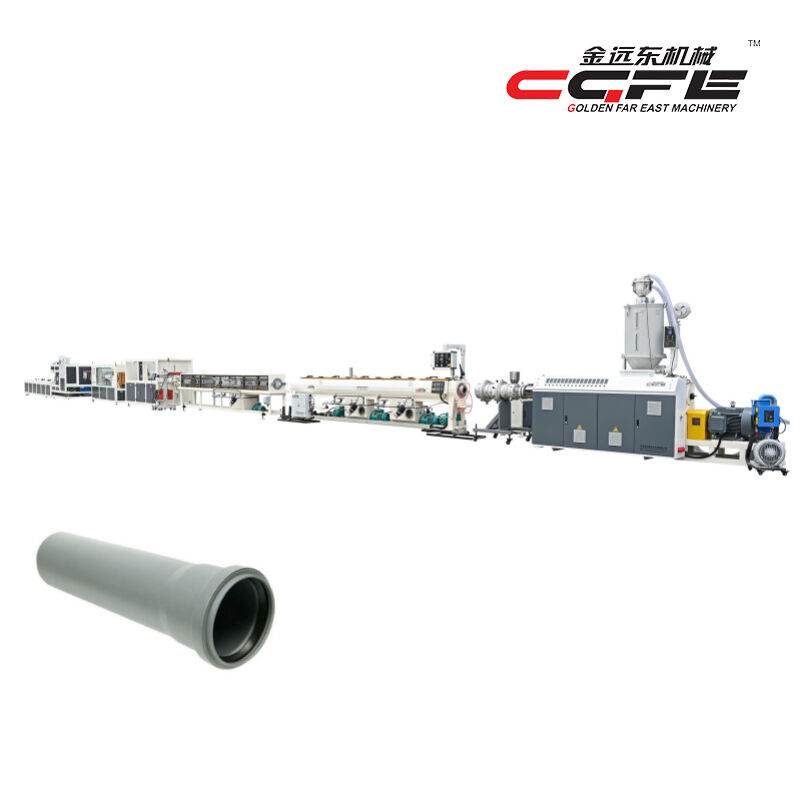
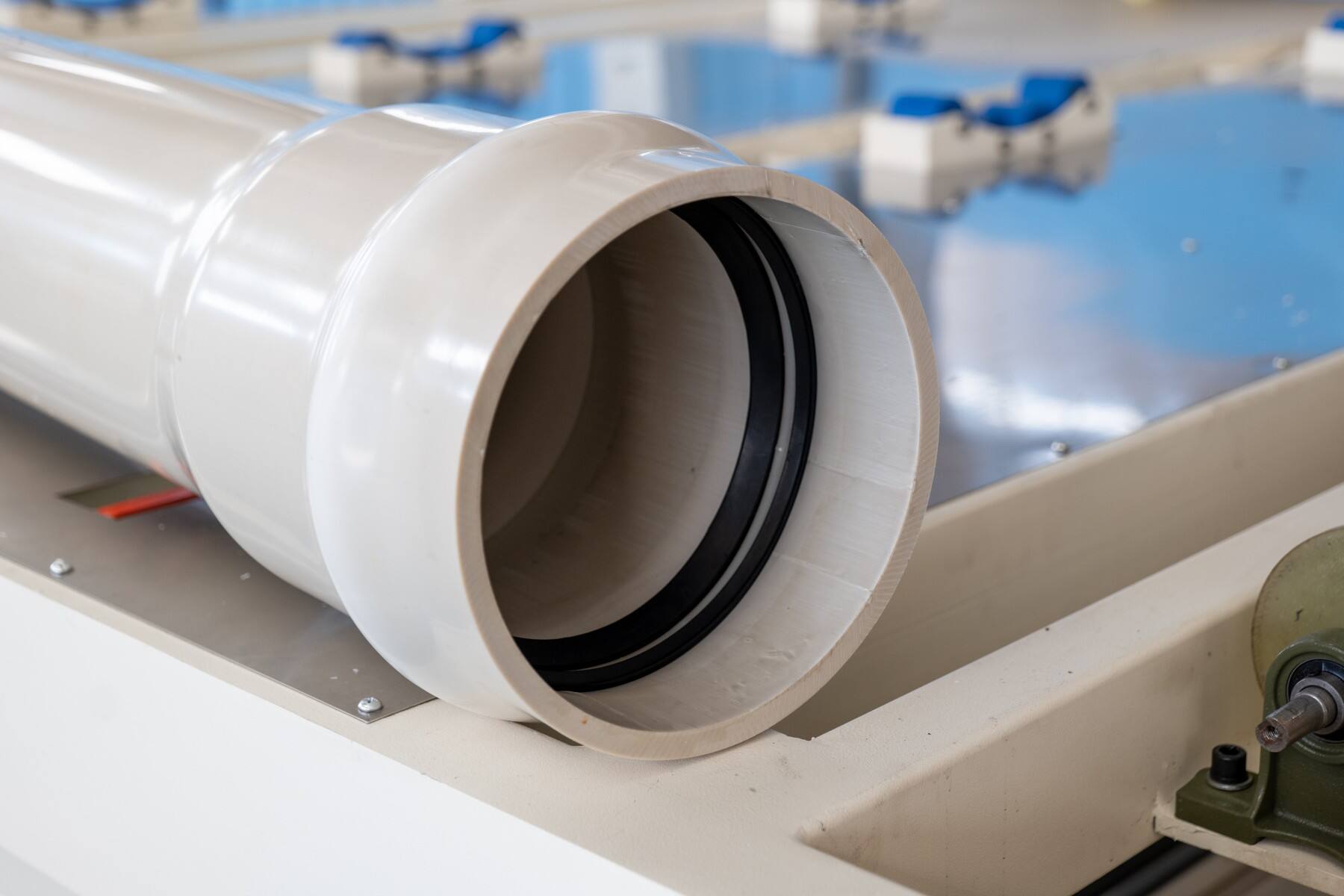
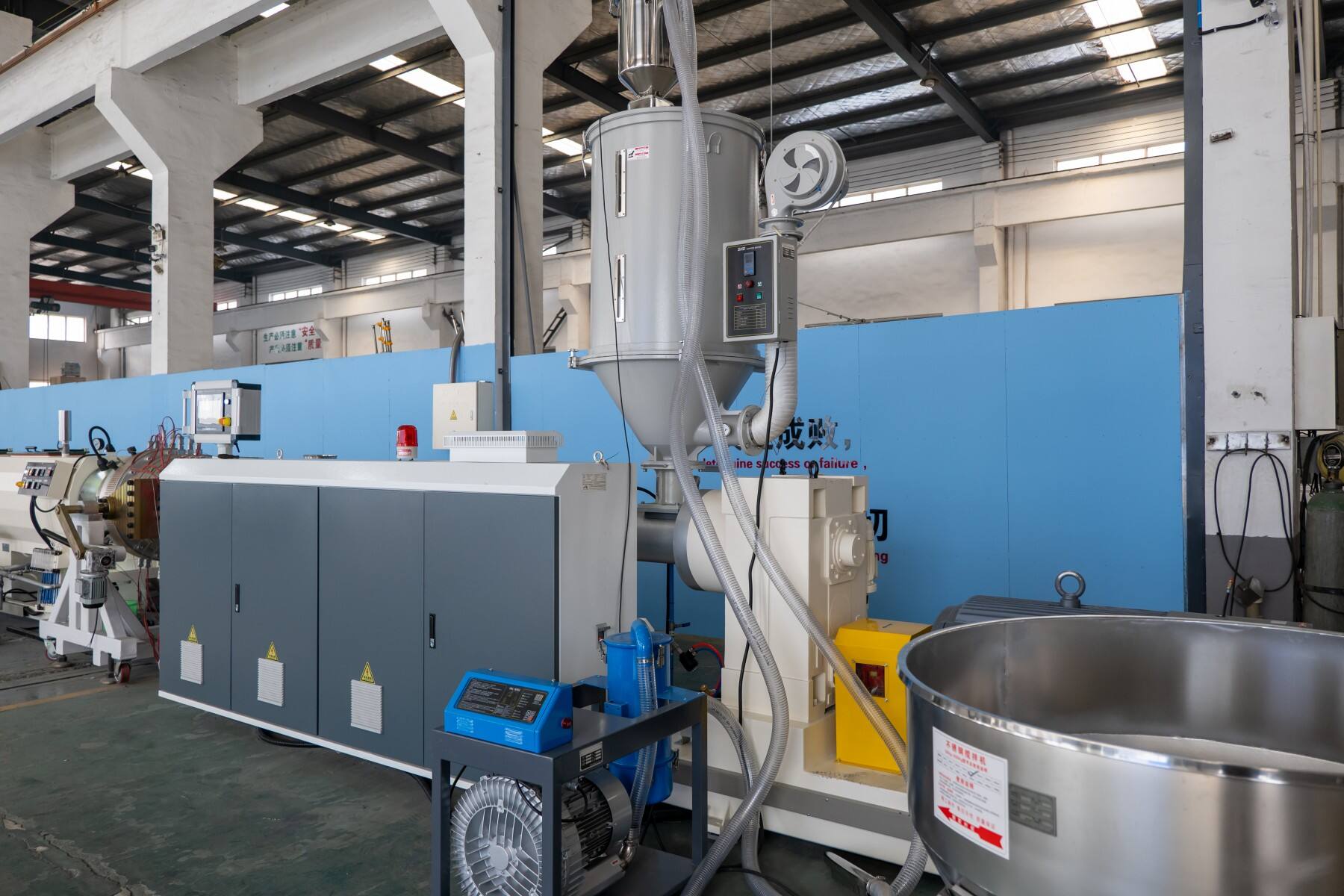
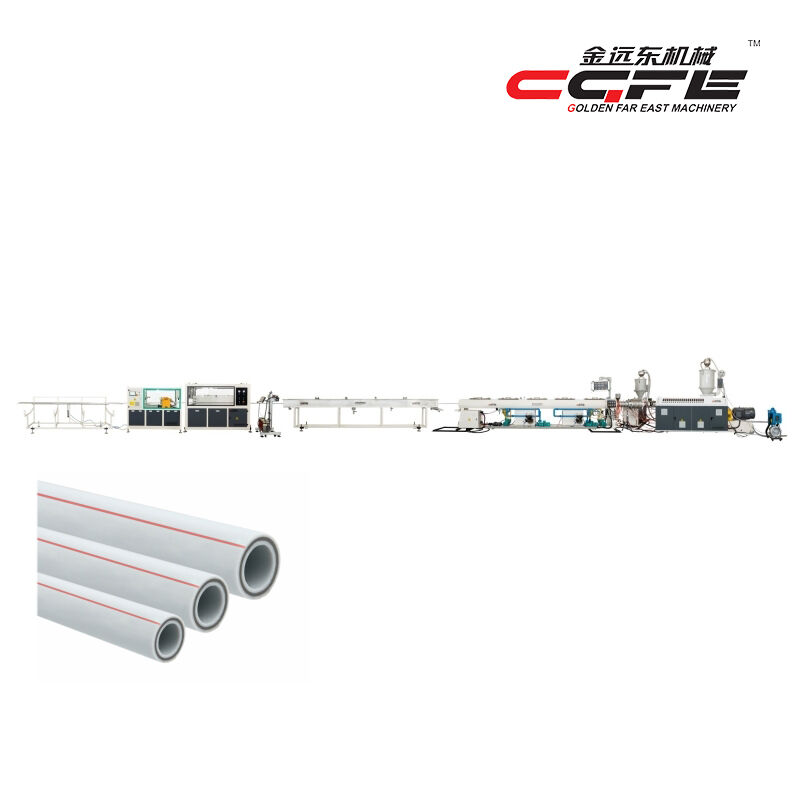
PPR pipe line represents a revolutionary advancement in modern plumbing and piping solutions, offering unparalleled performance for residential, commercial, and industrial applications. PPR, which stands for Polypropylene Random Copolymer, is engineered through advanced polymer technology to create pipe systems that deliver exceptional durability and reliability. The PPR pipe line features a unique molecular structure that provides superior chemical resistance, making it ideal for hot and cold water distribution systems. This innovative piping solution operates effectively across a wide temperature range, typically from -20°C to 95°C, ensuring consistent performance in diverse environmental conditions. The PPR pipe line incorporates heat fusion welding technology, creating seamless joints that eliminate potential leak points and ensure long-term system integrity. Manufacturing processes involve precision extrusion techniques that maintain consistent wall thickness and dimensional accuracy throughout the entire PPR pipe line. The system utilizes specialized fittings designed specifically for PPR applications, including elbows, tees, reducers, and valves that integrate seamlessly with the main piping network. PPR pipe line applications span across residential plumbing systems, commercial building installations, industrial process piping, heating systems, and cooling water distribution networks. The material composition of PPR pipe line ensures excellent thermal stability, preventing degradation even under continuous exposure to elevated temperatures. Installation procedures for PPR pipe line systems require specialized fusion welding equipment that creates molecular bonds between pipe sections and fittings. Quality control measures throughout PPR pipe line production include rigorous testing for pressure resistance, temperature performance, and chemical compatibility. The PPR pipe line system maintains its structural integrity over extended periods, typically offering service life expectations exceeding 50 years under normal operating conditions.



 EN
EN