Advanced PVC Window & Door Production Line - Complete Manufacturing Solutions for High-Quality Vinyl Windows and Doors

Get a Free Quote

Our representative will contact you soon.
Email
Name
Company Name
Message
0/1000

pvc window & door production line

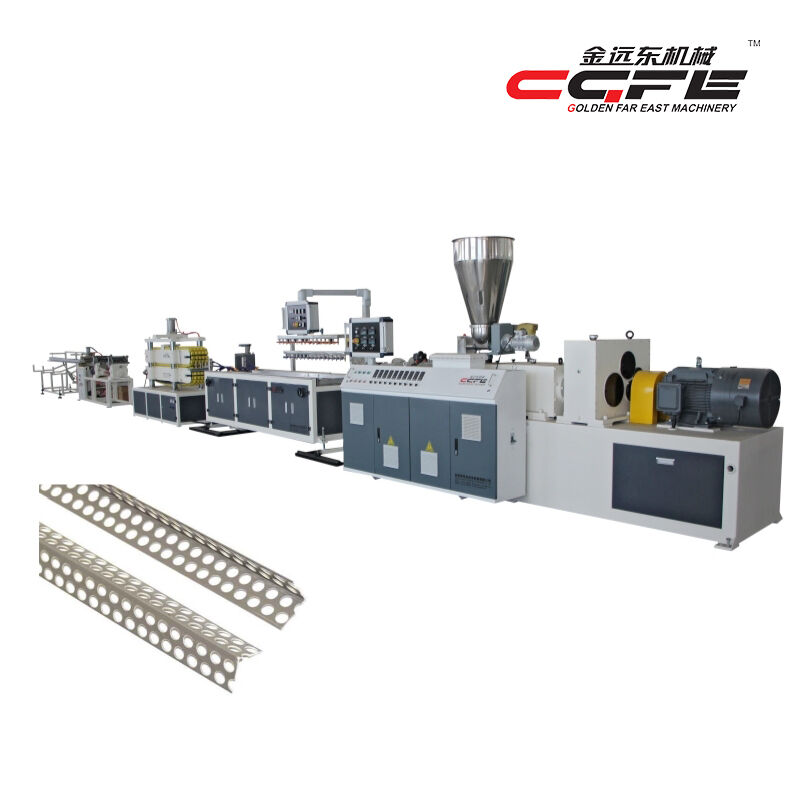
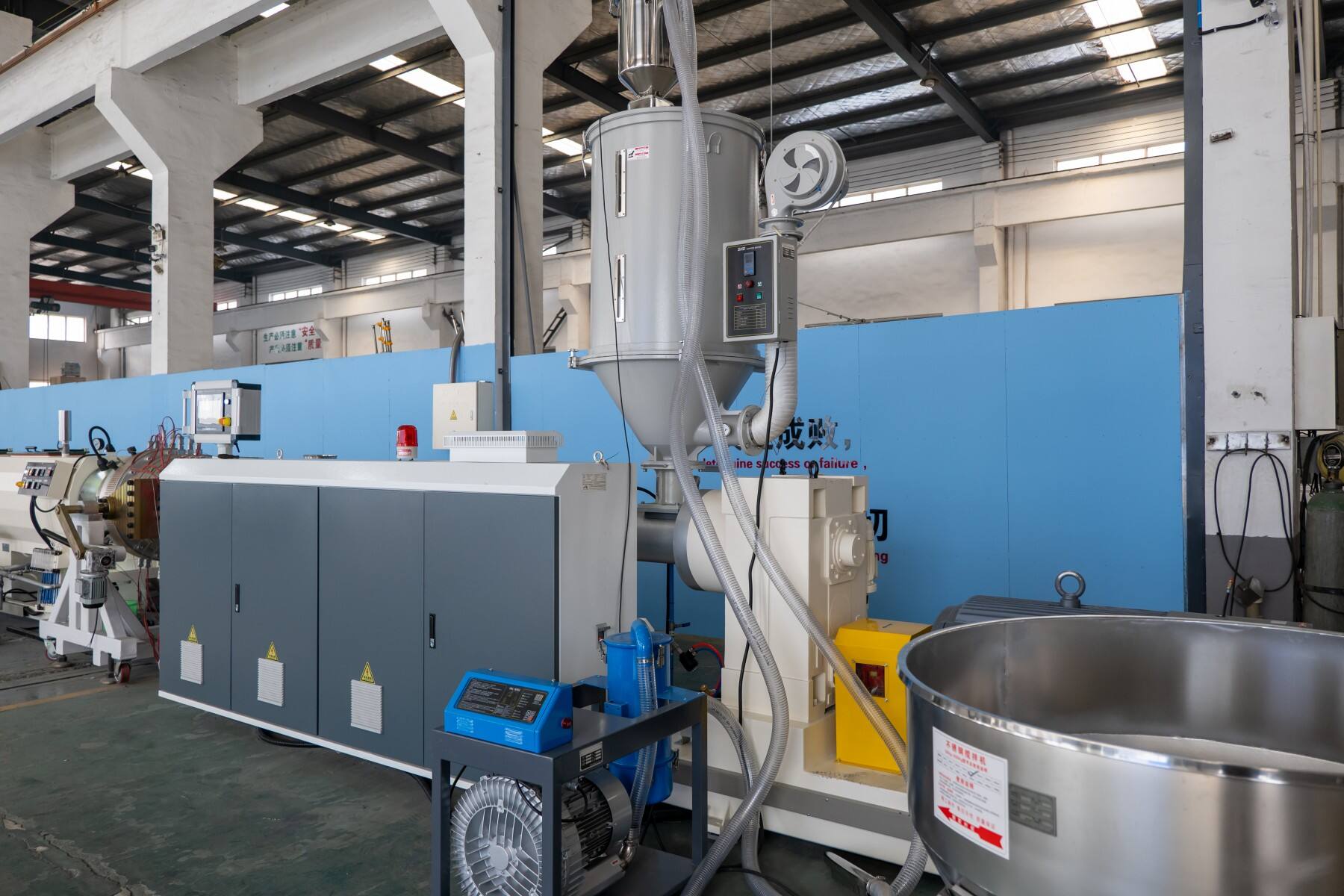
The PVC window & door production line represents a comprehensive manufacturing solution designed to produce high-quality vinyl windows and doors for residential and commercial applications. This sophisticated system integrates multiple specialized machines and processes to transform raw PVC profiles into finished products ready for installation. The production line typically includes cutting stations, welding equipment, glazing systems, and quality control mechanisms that work in seamless coordination to ensure consistent output. Modern PVC window & door production lines incorporate advanced computer numerical control technology, enabling precise measurements and automated operations throughout the manufacturing process. The main functions encompass profile cutting, corner welding, glass insertion, hardware installation, and final assembly procedures. These production lines are engineered to handle various window styles including casement, sliding, tilt-and-turn, and fixed configurations, as well as different door types such as entrance doors, patio doors, and French doors. Technological features include servo-driven cutting systems that ensure millimeter precision, multi-head welding stations that create strong corner joints, and automated glazing equipment that safely handles different glass thicknesses. The production line also features integrated quality monitoring systems that track dimensional accuracy, weld strength, and overall product integrity throughout each manufacturing stage. Applications extend across residential construction, commercial building projects, renovation markets, and custom architectural solutions. The versatility of these production lines allows manufacturers to accommodate diverse customer requirements while maintaining efficiency and cost-effectiveness. Advanced PVC window & door production lines can process multiple profile systems simultaneously, enabling manufacturers to offer comprehensive product ranges without extensive equipment changes. The integration of digital controls and programmable logic controllers ensures consistent operation while reducing manual labor requirements and minimizing human error potential.
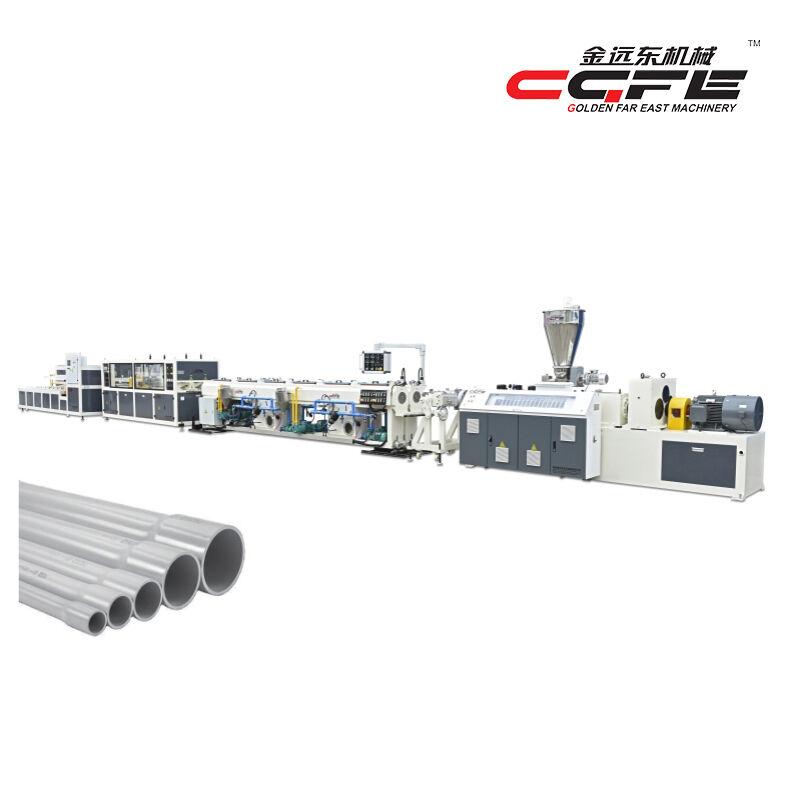
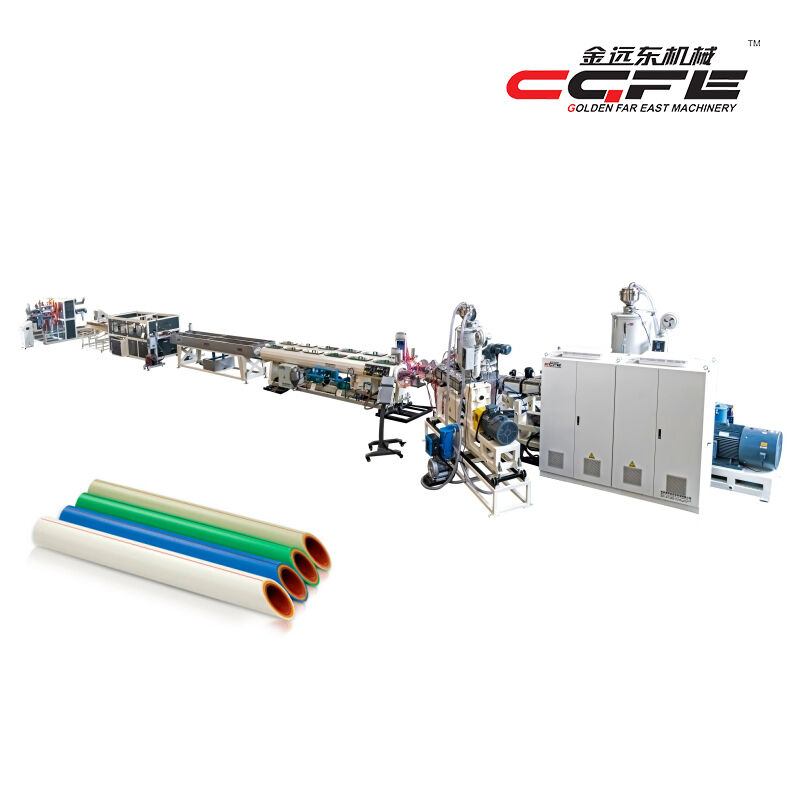
New Product Recommendations

PVC window & door production lines deliver substantial operational benefits that directly impact manufacturing efficiency and profitability. The automated nature of these systems significantly reduces labor costs while simultaneously increasing production capacity, allowing manufacturers to process higher volumes with fewer personnel requirements. This automation also eliminates human error in critical measurements and cuts, resulting in consistently precise products that meet exact specifications every time. The precision engineering inherent in modern production lines ensures minimal material waste through optimized cutting algorithms and automated nesting software that maximizes profile utilization. Energy efficiency represents another major advantage, as these systems are designed with power-saving components and intelligent operation modes that reduce electricity consumption during idle periods. The speed of production is dramatically enhanced compared to manual methods, with typical lines capable of producing complete window units in minutes rather than hours. Quality consistency becomes a natural outcome when using standardized automated processes, ensuring that every window or door meets identical quality standards regardless of production time or operator skill level. Flexibility in product design allows manufacturers to quickly adapt to changing market demands without significant retooling or setup time. The PVC window & door production line enables rapid switching between different profile types, sizes, and configurations through programmable settings and modular equipment design. Reduced training requirements for operators lower ongoing operational costs while improving workplace safety through automated handling of heavy materials and elimination of repetitive manual tasks. The integrated quality control systems provide real-time monitoring and immediate feedback, preventing defective products from advancing through the production process and reducing costly rework. Maintenance requirements are minimized through robust construction and predictive maintenance features that alert operators to potential issues before equipment failure occurs. The scalability of these production lines allows businesses to start with basic configurations and expand capabilities as demand grows, protecting initial investments while providing growth opportunities. Long-term cost savings accumulate through reduced waste, lower energy consumption, decreased labor requirements, and improved product quality that reduces warranty claims and customer complaints.

Tips And Tricks

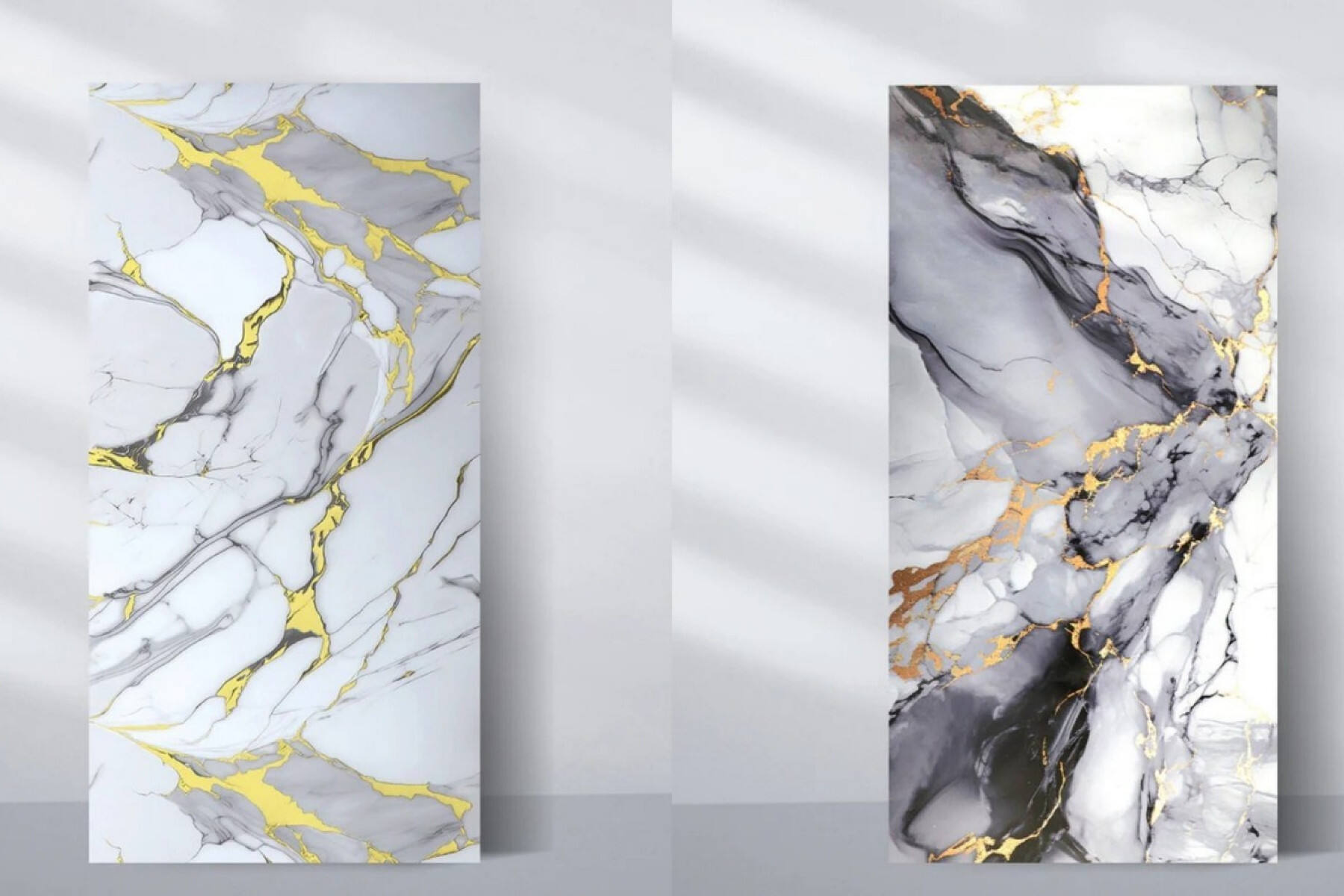
PVC  marble sheet production line-creating a new choice for high-quality decoration

15

Dec

PVC marble sheet production line-creating a new choice for high-quality decoration

View More
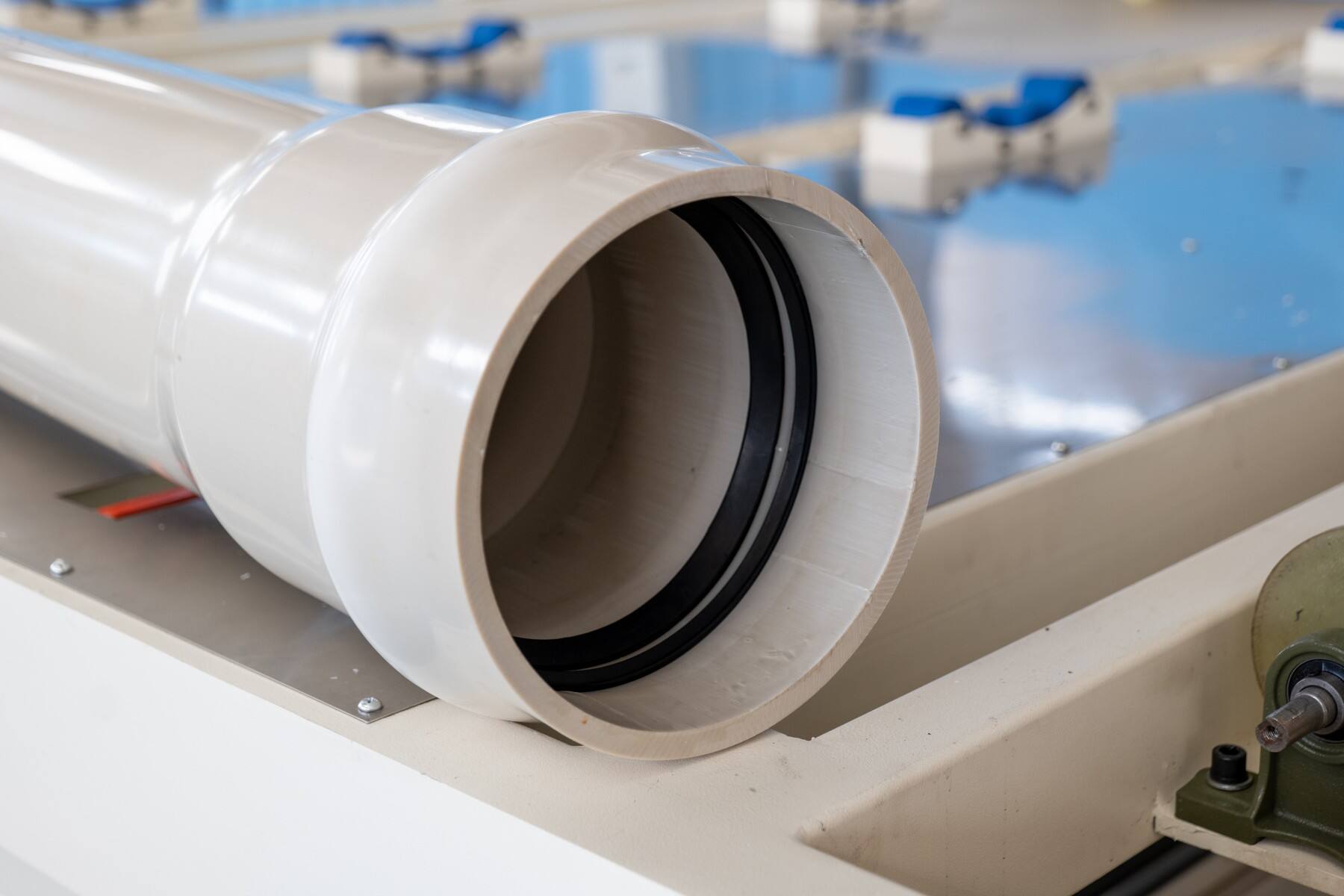
Optimizing Production with PVC Pipe Extrusion Machine Lines

15

Dec

Optimizing Production with PVC Pipe Extrusion Machine Lines

View More
Optimizing Performance and Sustainability in PE Pipe Extrusion: Innovations and Best Practices

15

Dec

Optimizing Performance and Sustainability in PE Pipe Extrusion: Innovations and Best Practices

View More

Get a Free Quote

Our representative will contact you soon.
Email
Name
Company Name
Message
0/1000

pvc window & door production line

Advanced Automation and Precision Control Systems

Advanced Automation and Precision Control Systems

The cornerstone of modern PVC window & door production lines lies in their sophisticated automation and precision control systems that revolutionize manufacturing accuracy and efficiency. These systems employ state-of-the-art servo motors and computer numerical control technology to achieve tolerances within fractions of millimeters, ensuring every cut, weld, and assembly operation meets exact specifications consistently. The integrated programmable logic controllers coordinate multiple production stations simultaneously, optimizing workflow and eliminating bottlenecks that traditionally plague manual operations. Advanced sensors throughout the production line continuously monitor dimensional accuracy, material positioning, and process parameters, automatically adjusting operations in real-time to maintain optimal performance. The precision control systems feature user-friendly interfaces that allow operators to input specifications for different window and door configurations, with the system automatically calculating optimal cutting sequences and material requirements. This intelligent automation extends to inventory management, where the production line can track material consumption and predict restocking needs based on production schedules. The control systems also incorporate advanced safety features including emergency stops, protective barriers, and automatic shutdown procedures that activate when irregular conditions are detected. Quality assurance is built directly into the automation through integrated measurement systems that verify dimensional accuracy at each production stage, rejecting non-conforming products before they advance through subsequent operations. The precision achieved through these control systems translates directly into superior product quality, reduced installation time, and improved customer satisfaction. Remote monitoring capabilities enable production managers to oversee operations from multiple locations and receive instant notifications of any issues requiring attention. The automation also facilitates detailed production reporting, providing valuable data for process optimization and continuous improvement initiatives. Energy management features within the control systems optimize power consumption by automatically adjusting equipment operation based on production demands and implementing energy-saving modes during idle periods.
Integrated Multi-Station Manufacturing Workflow

Integrated Multi-Station Manufacturing Workflow

The integrated multi-station workflow design of PVC window & door production lines creates a seamless manufacturing environment where each operation flows naturally into the next, maximizing efficiency and minimizing handling time. This comprehensive approach begins with automated material feeding systems that position PVC profiles precisely for cutting operations, eliminating manual handling and reducing the risk of damage or contamination. The cutting stations utilize advanced saw systems with carbide-tipped blades and automated angle adjustments to ensure clean, precise cuts across various profile types and thicknesses. Following cutting operations, the production line seamlessly transfers components to welding stations where specialized equipment creates strong, weather-tight corner joints through controlled heat and pressure application. The integrated workflow continues with automated cleaning stations that remove welding debris and prepare surfaces for subsequent operations. Glazing stations incorporate automated glass handling systems that safely manage different glass types and thicknesses while ensuring proper sealing and alignment within the frame structure. Hardware installation stations feature programmable positioning systems that accurately place hinges, locks, and other components according to specified configurations. The workflow integration extends to quality control checkpoints strategically positioned throughout the production line to verify conformance at each critical stage. Material tracking systems maintain detailed records of component origins and processing history, enabling complete traceability and quality accountability. The multi-station design allows for concurrent processing of multiple orders, increasing overall throughput while maintaining individual product quality. Flexible station configurations enable manufacturers to adapt the workflow for different product types without major equipment reconfiguration. Buffer zones between stations accommodate varying processing times and prevent bottlenecks from affecting overall production flow. The integrated approach also includes automated packaging and labeling systems that prepare finished products for shipping while maintaining product identification and quality documentation throughout the distribution chain.
Comprehensive Quality Management and Testing Integration

Comprehensive Quality Management and Testing Integration

The comprehensive quality management and testing integration built into modern PVC window & door production lines ensures that every manufactured product meets stringent industry standards and customer expectations through systematic monitoring and verification processes. These quality systems begin with incoming material inspection protocols that verify PVC profile quality, dimensional accuracy, and color consistency before materials enter the production process. Automated measurement systems throughout the production line continuously monitor critical dimensions including frame squareness, diagonal measurements, and gap consistency to ensure proper fit and function. Thermal imaging cameras integrated into welding stations verify proper heat distribution and joint quality, identifying potential weaknesses before they become field failures. Pressure testing equipment evaluates seal integrity and weather resistance by simulating real-world conditions including wind loads and water infiltration scenarios. The quality management system maintains detailed production records that track individual product history from raw materials through final assembly, enabling rapid identification and resolution of any quality issues. Statistical process control algorithms analyze production data in real-time, identifying trends that might indicate developing quality problems before they affect finished products. Automated rejection systems remove non-conforming products from the production line while alerting operators to investigate and correct underlying causes. The testing integration includes specialized equipment for evaluating hardware functionality, ensuring smooth operation of moving components and proper engagement of locking mechanisms. Environmental simulation chambers test finished products under various temperature and humidity conditions to verify performance across different climatic regions. The quality system also incorporates customer feedback loops that correlate field performance data with production parameters, enabling continuous improvement in manufacturing processes. Calibration management ensures all measurement and testing equipment maintains accuracy through scheduled verification and adjustment procedures. Documentation systems generate certificates of compliance and quality reports that accompany finished products, providing customers with confidence in product reliability and performance. The integrated approach to quality management reduces warranty claims, improves customer satisfaction, and builds manufacturer reputation for consistent excellence in PVC window and door production.

Get a Free Quote

Our representative will contact you soon.
Email
Name
Company Name
Message
0/1000