High-Performance PVC Window Profile Extrusion Machine - Advanced Manufacturing Solutions

Get a Free Quote

Our representative will contact you soon.
Email
Name
Company Name
Message
0/1000

pvc window profile extrusion machine

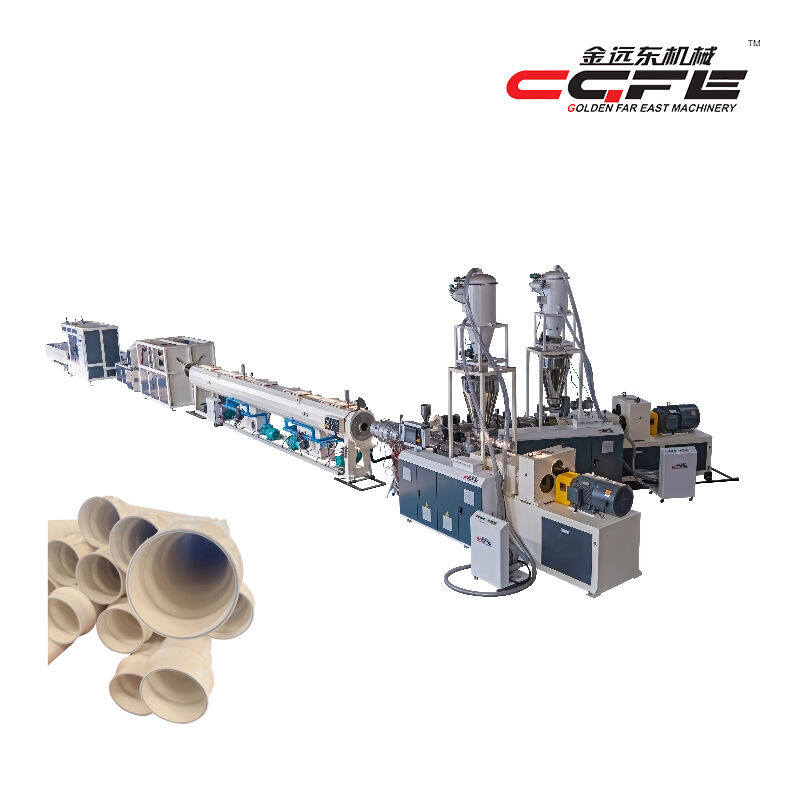
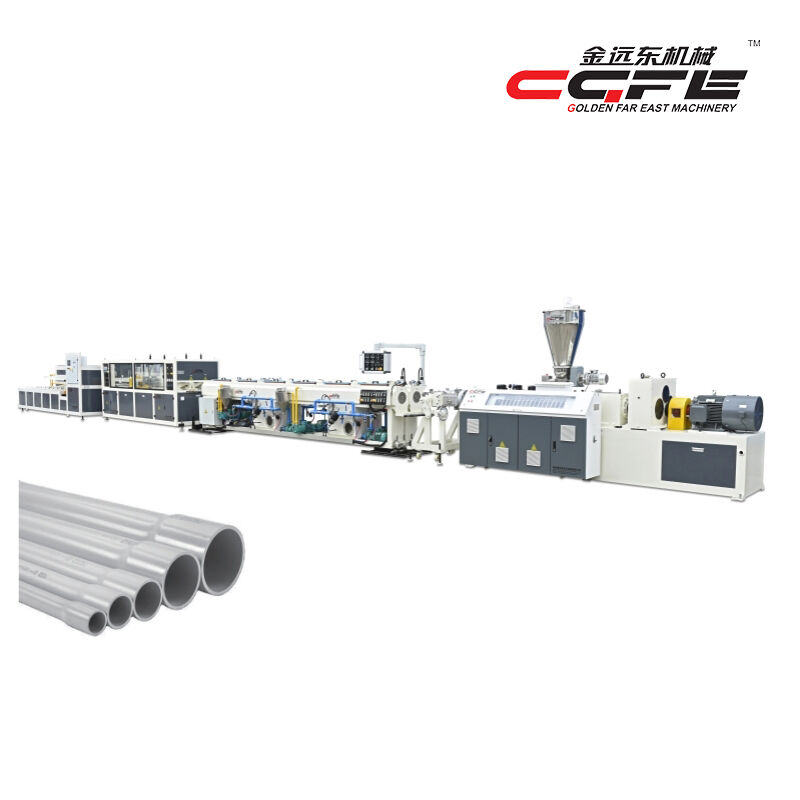
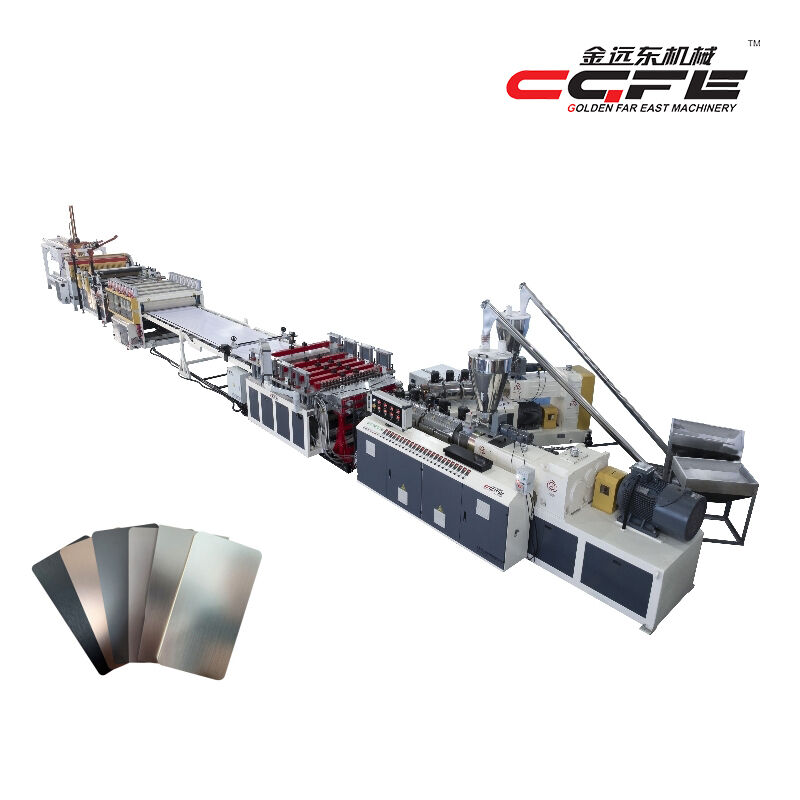
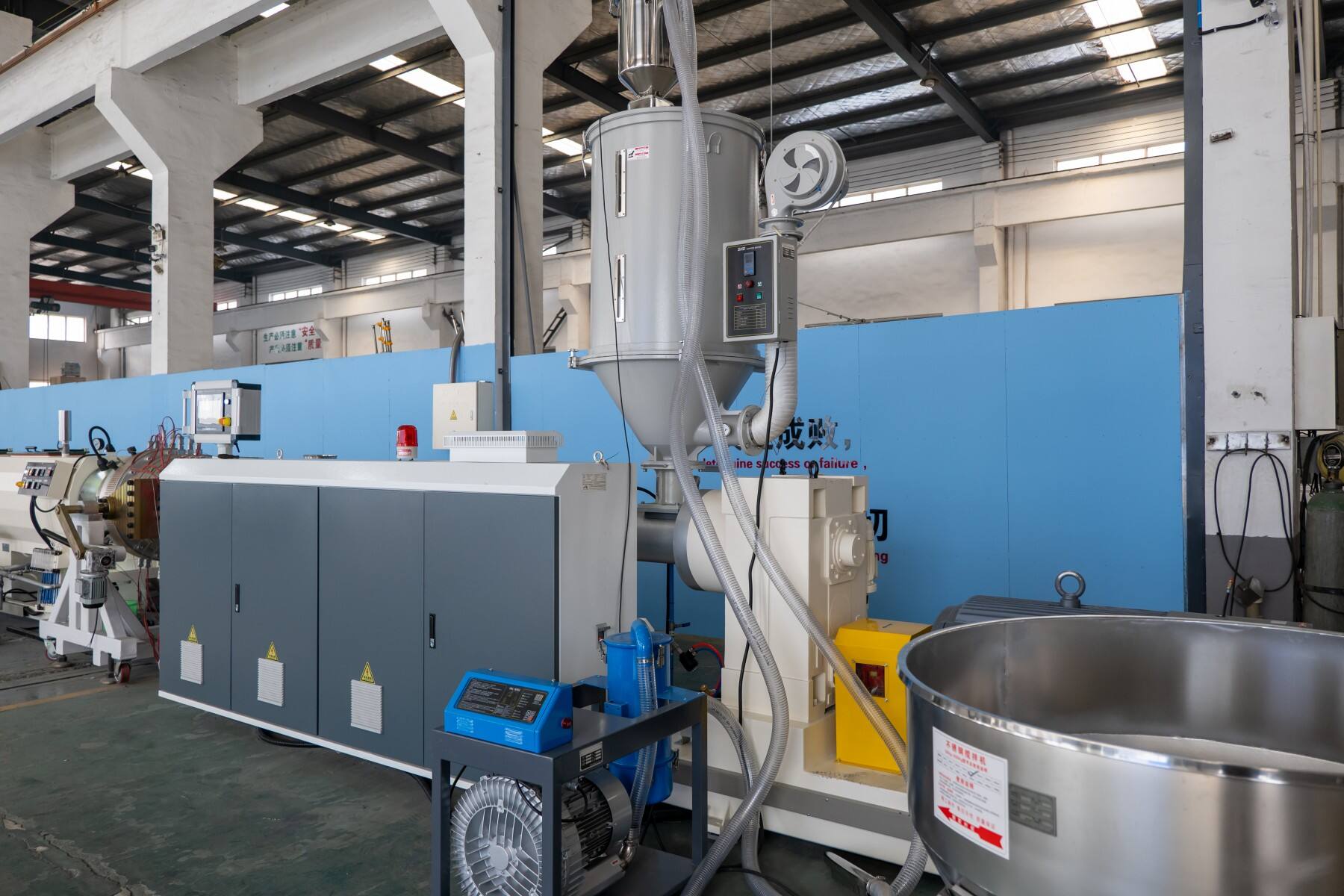
The PVC window profile extrusion machine represents a sophisticated manufacturing solution designed specifically for producing high-quality window frames and profiles from polyvinyl chloride materials. This advanced industrial equipment serves as the backbone of modern window manufacturing operations, transforming raw PVC compounds into precisely shaped profiles that meet stringent construction standards. The machine operates through a complex extrusion process where heated PVC material is forced through custom-designed dies to create consistent cross-sectional profiles. At its core, the PVC window profile extrusion machine features multiple temperature-controlled heating zones that ensure optimal material flow and dimensional accuracy. The main functions include material feeding, heating, mixing, shaping, cooling, and cutting operations that work seamlessly together. The technological features encompass precise temperature control systems, variable-speed drives for consistent output, automated cutting mechanisms, and integrated quality monitoring systems. These machines typically incorporate advanced servo-driven haul-off units that maintain proper tension and speed synchronization throughout the production process. The cooling system utilizes water tanks and air cooling chambers to rapidly solidify extruded profiles while maintaining their dimensional integrity. Modern PVC window profile extrusion machines also feature computer-controlled systems that allow operators to adjust parameters in real-time, ensuring consistent product quality and minimizing material waste. Applications span across residential and commercial construction markets where energy-efficient windows are increasingly demanded. The versatility of these machines enables production of various profile designs including casement frames, sliding window components, and specialized architectural profiles. Manufacturers rely on PVC window profile extrusion machines to meet growing market demands for sustainable building materials that offer superior insulation properties and long-term durability. The integration of Industry 4.0 technologies has further enhanced machine capabilities, enabling remote monitoring, predictive maintenance, and data-driven optimization strategies that maximize operational efficiency.
Popular Products

The PVC window profile extrusion machine delivers exceptional production efficiency that significantly reduces manufacturing costs while maintaining superior product quality. These machines operate continuously with minimal downtime, enabling manufacturers to meet large-scale production demands effectively. The automated operation reduces labor requirements and eliminates human error, resulting in consistent profile dimensions and surface finishes. Energy efficiency stands as a major advantage, as modern PVC window profile extrusion machines incorporate advanced heating systems that minimize power consumption while maintaining optimal processing temperatures. The precision engineering ensures minimal material waste, directly impacting profitability through reduced raw material costs. Quality control capabilities built into these machines guarantee that each extruded profile meets exact specifications, reducing rejection rates and rework expenses. The flexibility to produce various profile designs on a single machine provides manufacturers with competitive advantages in diverse market segments. Setup time between different product runs is significantly reduced through quick-change die systems and automated parameter adjustments. Maintenance requirements remain minimal due to robust construction and high-quality components that withstand continuous operation. The compact footprint of modern PVC window profile extrusion machines maximizes facility utilization while reducing infrastructure costs. Temperature control accuracy ensures consistent material properties throughout the production cycle, resulting in profiles with uniform strength and appearance characteristics. The integration of digital monitoring systems provides real-time production data that enables immediate adjustments and prevents quality issues before they occur. Cost savings extend beyond production through reduced energy consumption and optimized material usage patterns. Manufacturers benefit from faster return on investment due to increased production capacity and reduced operational expenses. The reliability of PVC window profile extrusion machines minimizes unexpected breakdowns that could disrupt production schedules and customer deliveries. Environmental benefits include reduced material waste and lower energy consumption compared to traditional manufacturing methods. The scalability allows manufacturers to expand production capacity by adding additional machines without significant infrastructure modifications. Training requirements for operators are minimal due to user-friendly control interfaces and automated operation sequences.

Tips And Tricks

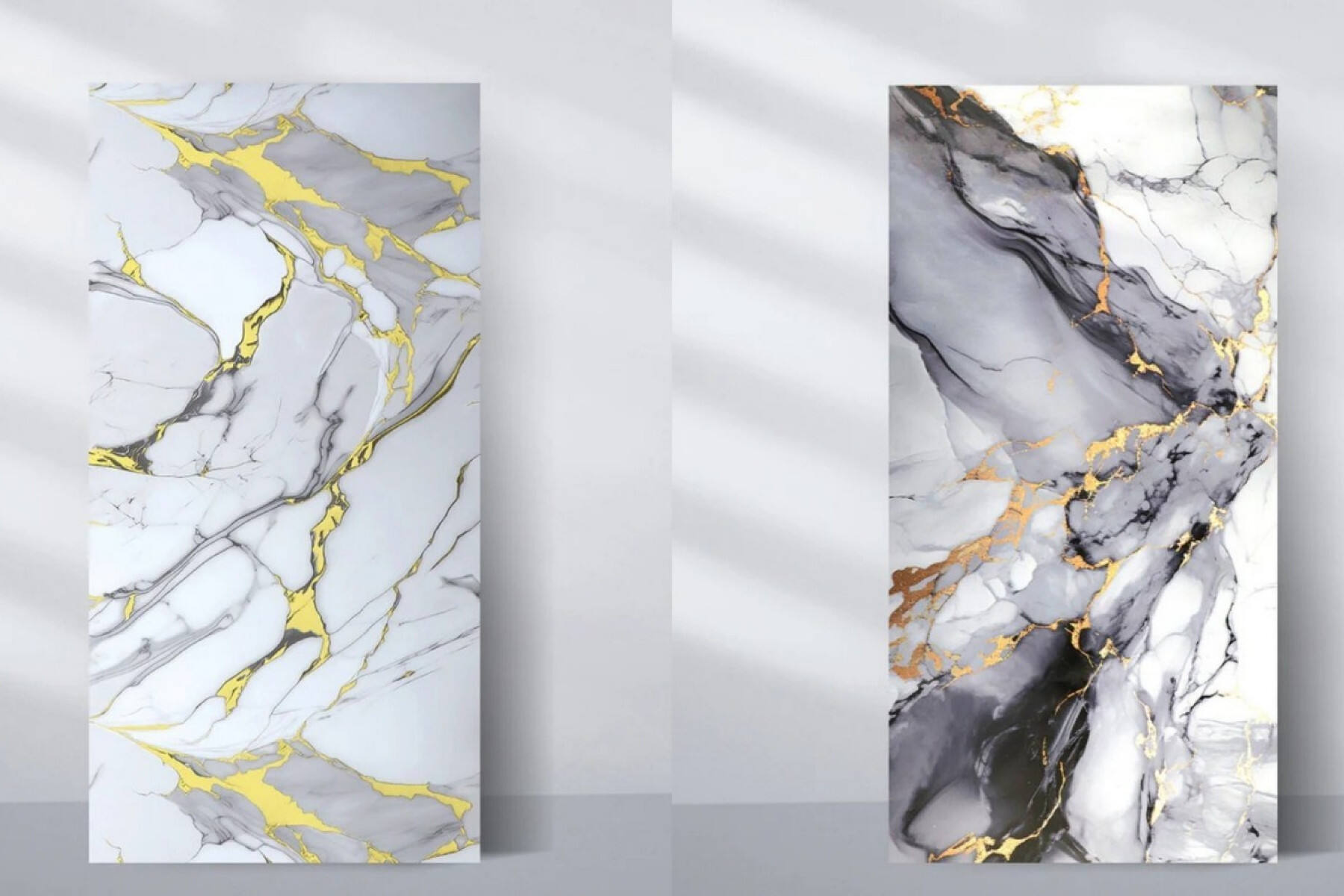
PVC  marble sheet production line-creating a new choice for high-quality decoration

15

Dec

PVC marble sheet production line-creating a new choice for high-quality decoration

View More
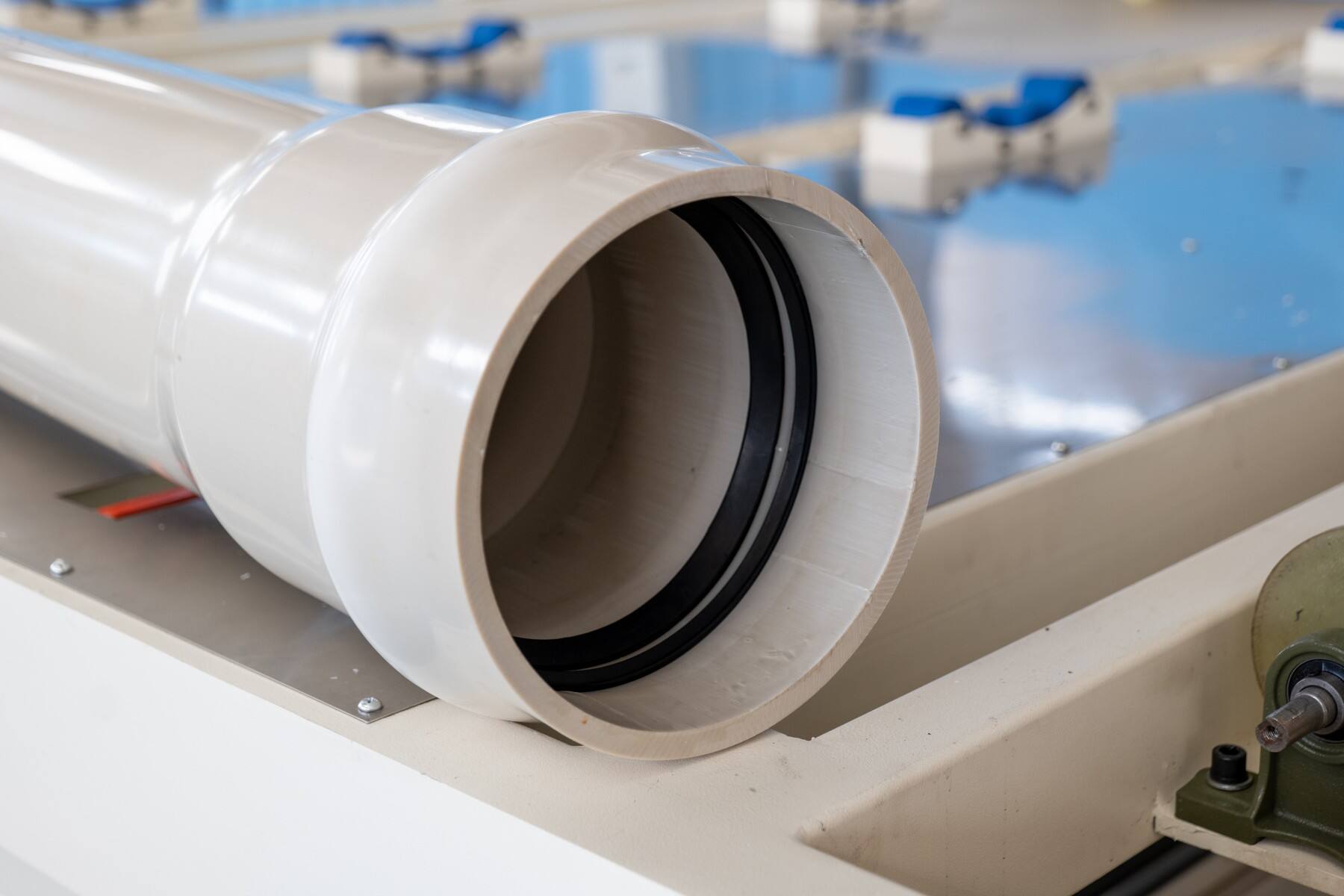
Optimizing Production with PVC Pipe Extrusion Machine Lines

15

Dec

Optimizing Production with PVC Pipe Extrusion Machine Lines

View More
Optimizing Performance and Sustainability in PE Pipe Extrusion: Innovations and Best Practices

15

Dec

Optimizing Performance and Sustainability in PE Pipe Extrusion: Innovations and Best Practices

View More

Get a Free Quote

Our representative will contact you soon.
Email
Name
Company Name
Message
0/1000

pvc window profile extrusion machine

Advanced Temperature Control Technology

Advanced Temperature Control Technology

The sophisticated temperature control system represents the most critical technological advancement in modern PVC window profile extrusion machines, directly determining product quality and production efficiency. This system employs multiple independently controlled heating zones throughout the barrel, each precisely calibrated to maintain optimal temperatures for different stages of the extrusion process. The technology utilizes advanced PID controllers that continuously monitor and adjust temperatures with accuracy levels within plus or minus one degree Celsius. This precision ensures consistent material flow characteristics, preventing temperature-related defects such as surface irregularities or dimensional variations. The heating elements are strategically positioned to create uniform heat distribution, eliminating hot spots that could degrade PVC material properties. Energy efficiency is maximized through intelligent heating algorithms that reduce power consumption while maintaining processing temperatures. The cooling system works in harmony with heating elements to rapidly solidify extruded profiles while preserving their structural integrity. Temperature sensors positioned throughout the system provide real-time feedback that enables immediate adjustments to processing parameters. This advanced control prevents material degradation that occurs when PVC is exposed to excessive temperatures for extended periods. The system also incorporates safety features that automatically shut down operations if temperatures exceed predetermined limits, protecting both equipment and products. Manufacturers benefit from reduced energy costs and improved product consistency through this sophisticated temperature management. The technology enables processing of various PVC formulations without compromising quality standards. Quick temperature transitions between different product specifications minimize production downtime and increase overall efficiency. Remote monitoring capabilities allow operators to track temperature profiles and make adjustments from centralized control systems. The precision temperature control directly contributes to enhanced surface finish quality and dimensional accuracy of window profiles. This technology represents a significant competitive advantage for manufacturers seeking to produce premium-quality PVC window profiles that meet stringent architectural specifications and building codes.
Precision Die Design and Profile Accuracy

Precision Die Design and Profile Accuracy

The precision die design system in PVC window profile extrusion machines represents engineering excellence that determines the exact shape and dimensional accuracy of finished window profiles. These custom-engineered dies are manufactured using advanced computer numerical control machining processes that achieve tolerances measured in hundredths of millimeters. The die design incorporates complex internal geometries that ensure uniform material distribution throughout the profile cross-section, preventing weak spots or dimensional inconsistencies. Material flow analysis software is utilized during die development to optimize channel configurations and eliminate potential flow restrictions that could cause surface defects. The hardened steel construction ensures longevity and maintains dimensional accuracy even after extended production runs. Quick-change die systems enable manufacturers to switch between different profile designs efficiently, minimizing setup time and maximizing production flexibility. The precision manufacturing process ensures that window profiles meet exact architectural specifications required for modern construction projects. Surface finish quality is directly influenced by die surface treatments that create smooth, consistent textures on extruded profiles. The modular die design allows for easy maintenance and component replacement without complete system shutdown. Calibration systems work in conjunction with dies to maintain precise dimensions as profiles exit the extrusion process. Advanced cooling techniques integrated into die design prevent thermal expansion that could affect dimensional accuracy. The engineering precision ensures consistent wall thickness throughout profile cross-sections, maintaining structural integrity and insulation properties. Quality assurance protocols verify die performance through continuous dimensional monitoring during production cycles. The investment in precision die technology translates directly into reduced material waste and improved product quality. Manufacturers benefit from consistent profile dimensions that eliminate assembly problems during window installation processes. The die design accommodates various PVC formulations while maintaining dimensional stability across different material compositions. Replacement parts and modification services ensure long-term die performance and adaptability to changing product specifications. This precision engineering capability enables manufacturers to compete effectively in markets demanding high-quality architectural components with exact dimensional requirements.
Automated Quality Control and Monitoring Systems

Automated Quality Control and Monitoring Systems

The integrated automated quality control and monitoring systems in PVC window profile extrusion machines represent cutting-edge technology that ensures consistent product quality while minimizing human intervention requirements. These sophisticated systems employ multiple sensor technologies including laser measurement devices, infrared temperature monitoring, and vision inspection systems that continuously evaluate product parameters during production. Real-time dimensional monitoring tracks profile width, height, and wall thickness measurements with micro-level precision, immediately detecting deviations from specified tolerances. The automated systems can instantly adjust process parameters to correct dimensional variations before defective products are produced. Statistical process control algorithms analyze production data trends to predict potential quality issues before they occur, enabling preventive adjustments that maintain consistent output quality. Surface quality inspection utilizes advanced imaging technology that detects imperfections such as scratches, color variations, or texture irregularities that human operators might miss. Data logging capabilities create comprehensive production records that support quality certifications and traceability requirements. The monitoring systems interface directly with machine controls to automatically adjust processing parameters based on quality feedback. Alarm systems alert operators to conditions requiring immediate attention while automated shutdown features prevent production of defective materials. Quality reports are generated automatically, providing detailed analysis of production statistics and quality trends. The systems enable manufacturers to achieve statistical process control standards required for premium market segments. Continuous monitoring reduces inspection labor costs while improving overall product quality consistency. Integration with enterprise resource planning systems provides production managers with real-time quality metrics and efficiency data. The technology supports lean manufacturing principles by eliminating waste associated with defective products and rework activities. Predictive maintenance capabilities analyze system performance data to schedule maintenance activities before equipment failures occur. Remote monitoring options allow quality engineers to supervise multiple production lines from centralized locations. The automated systems provide competitive advantages through improved customer satisfaction and reduced warranty claims. Calibration procedures ensure measurement accuracy and reliability of quality control systems throughout their operational life.

Get a Free Quote

Our representative will contact you soon.
Email
Name
Company Name
Message
0/1000